
(Religious Scriptures, Science, and Time Travel)
🔹 समय को लेकर मानव की प्राचीन जिज्ञासा
(Human Curiosity About Time Since Ancient Ages)
Hindi:
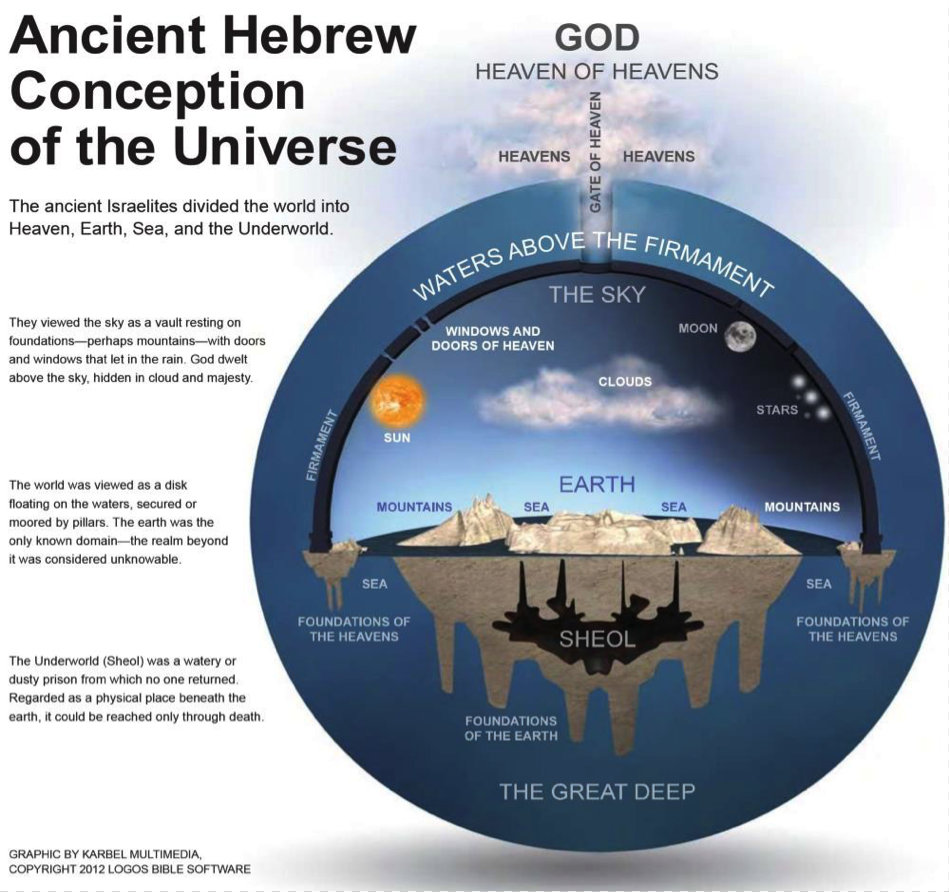
समय यात्रा को अक्सर आधुनिक विज्ञान की कल्पना माना जाता है, लेकिन यदि हम इतिहास की ओर देखें, तो यह स्पष्ट हो जाता है कि समय को लेकर जिज्ञासा मानव सभ्यता जितनी ही पुरानी है। प्राचीन धार्मिक और दार्शनिक ग्रंथों में समय को कभी भी केवल घड़ी या कैलेंडर तक सीमित नहीं माना गया। वहाँ समय को एक गहरी, रहस्यमय और व्यापक संरचना के रूप में देखा गया, जिसे सामान्य मानव अनुभव पूरी तरह नहीं समझ सकता।
English:
Time travel is often considered a product of modern science, but when we look back at history, it becomes clear that curiosity about time is as old as human civilization itself. Ancient religious and philosophical texts never limited time to clocks or calendars. Instead, they viewed time as a deep, mysterious, and expansive structure—one that ordinary human experience cannot fully comprehend.
🔹 प्राचीन ग्रंथों में समय की अवधारणा
(The Concept of Time in Ancient Scriptures)
Hindi:
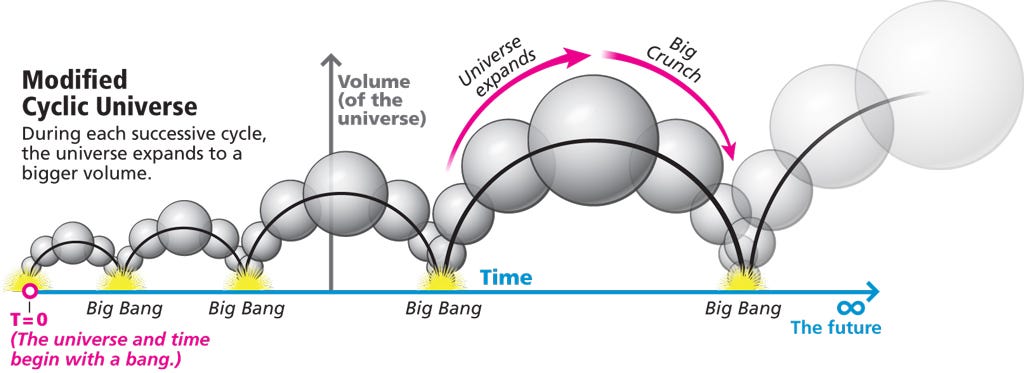
कई प्राचीन ग्रंथों में समय को रेखीय नहीं, बल्कि चक्रीय रूप में देखा गया है। युगों का आना-जाना, सृष्टि का निर्माण और विनाश—ये सभी समय के एक निरंतर चक्र की ओर संकेत करते हैं। कुछ कथाओं में ऐसे वर्णन मिलते हैं जहाँ व्यक्ति अल्प समय में कई युगों का अनुभव कर लेता है, जबकि कहीं एक ही क्षण में भविष्य की घटनाओं का ज्ञान प्राप्त होता है। ये संकेत यह दर्शाते हैं कि समय की गति हर स्तर पर समान नहीं है।
English:
Many ancient texts describe time not as linear, but as cyclical. The rise and fall of ages, creation and destruction—all point toward a continuous cycle of time. Some stories describe individuals experiencing multiple eras in a short span, while others speak of future events being known in a single moment. These references suggest that the flow of time is not uniform at every level.

🔹 आध्यात्मिक दृष्टि और समय का अनुभव
(Spiritual Perspective and the Experience of Time)
Hindi:
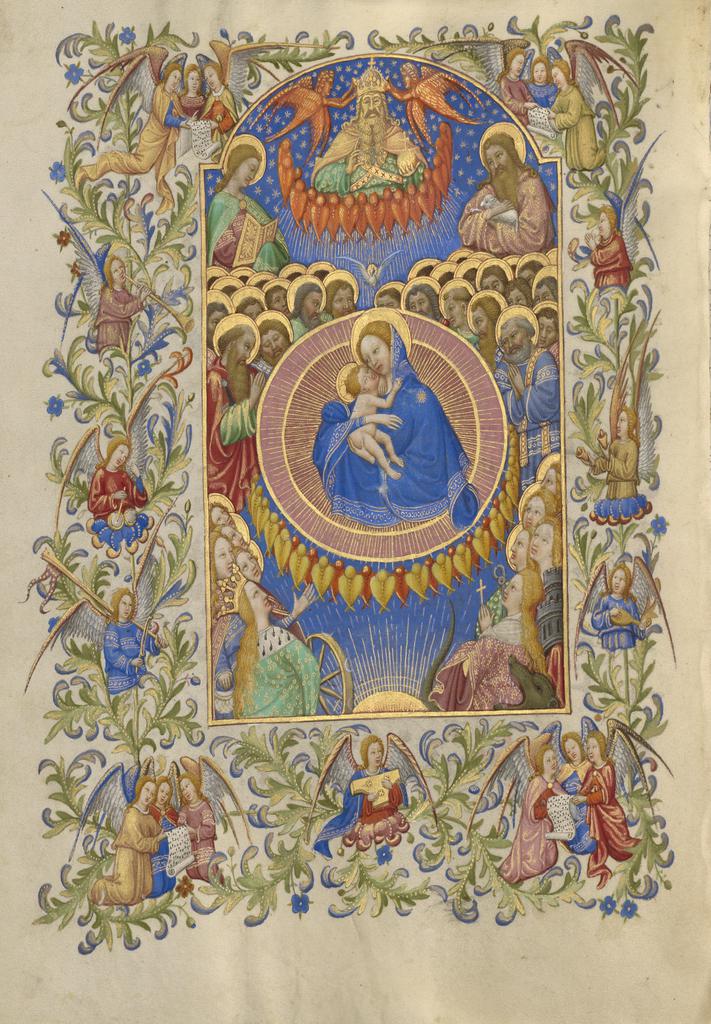
आध्यात्मिक दृष्टिकोण से समय को केवल बाहरी घटनाओं का क्रम नहीं माना गया, बल्कि आंतरिक अनुभव का हिस्सा समझा गया है। ध्यान, तप और गहन साधना के माध्यम से समय की अनुभूति बदल जाने की बात कई स्थानों पर कही गई है। ऐसा माना गया कि उच्च चेतना की अवस्था में समय धीमा हो सकता है, तेज हो सकता है या कभी-कभी अप्रासंगिक भी हो जाता है।
English:
From a spiritual perspective, time has not been seen merely as a sequence of external events, but as part of inner experience. Many traditions speak of altered perceptions of time during deep meditation and intense inner practices. In heightened states of consciousness, time is believed to slow down, speed up, or even become irrelevant.
🔹 आधुनिक विज्ञान और समय की नई समझ
(Modern Science and a New Understanding of Time)
Hindi:
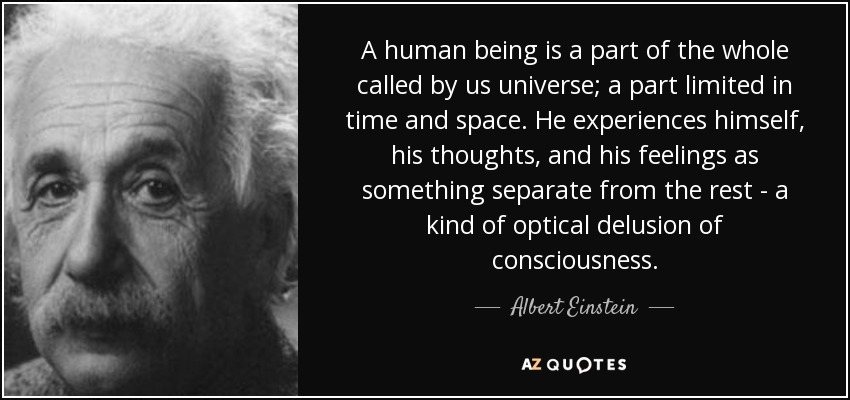
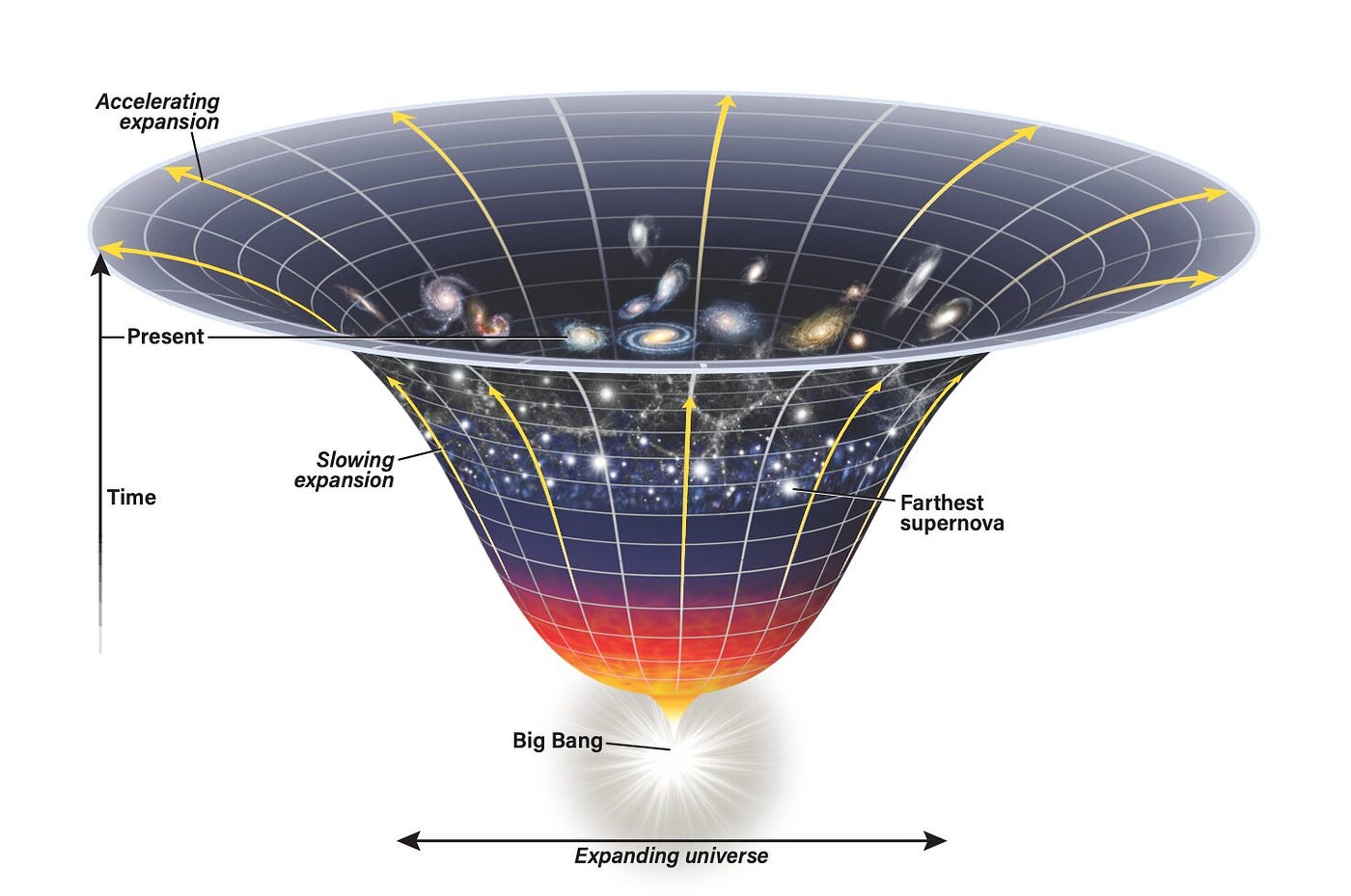
आधुनिक विज्ञान ने भी समय को सरल और स्थिर नहीं माना है। वैज्ञानिक अनुसंधानों से यह सामने आया है कि गति और गुरुत्वाकर्षण समय के प्रवाह को प्रभावित करते हैं। कुछ परिस्थितियों में समय धीमा चलता है और कुछ में तेज। इससे यह स्पष्ट होता है कि समय कोई स्थिर वस्तु नहीं, बल्कि एक सापेक्ष संरचना है जो विभिन्न स्थितियों में अलग-अलग व्यवहार करती है।
English:
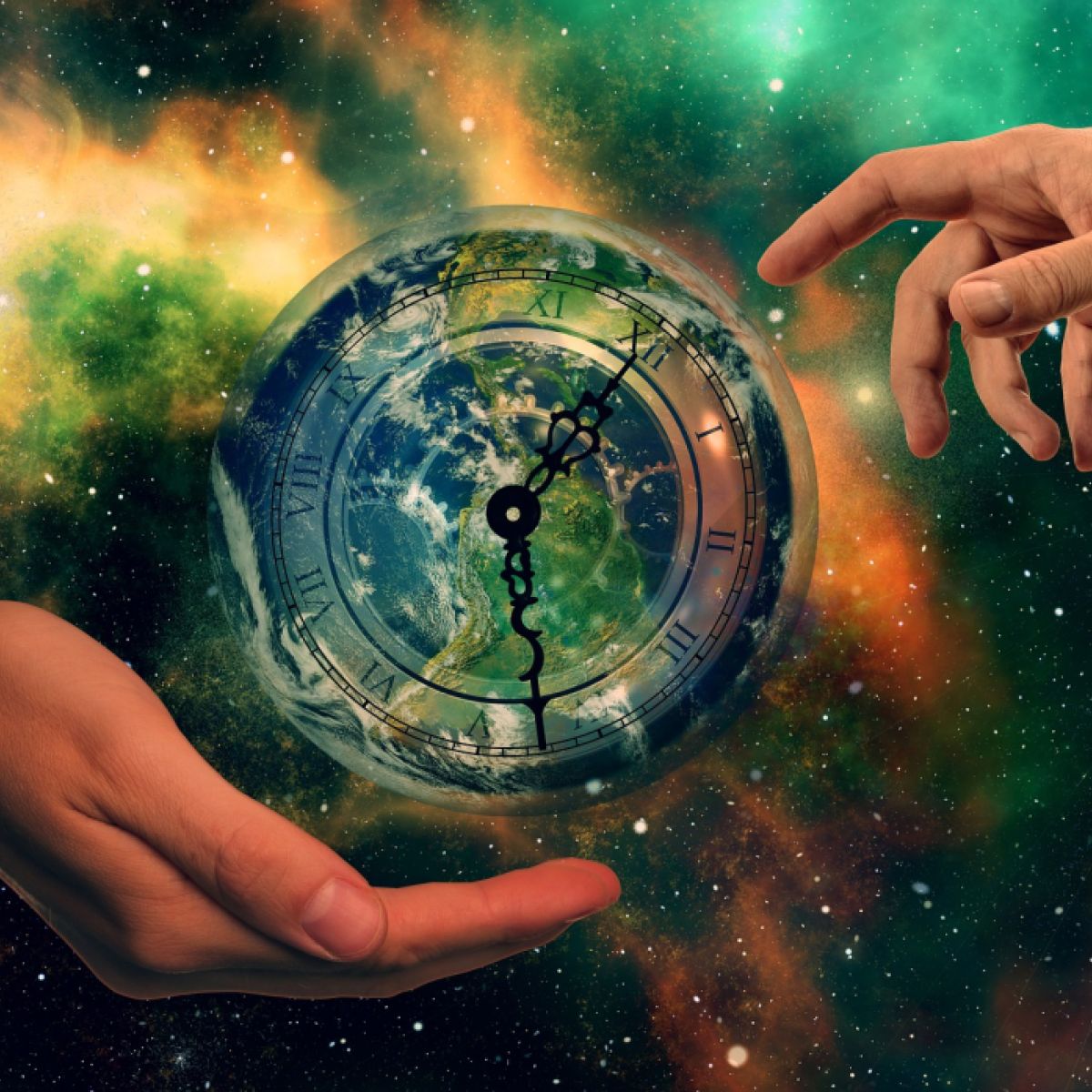
Modern science also does not treat time as simple or fixed. Research has shown that speed and gravity influence the flow of time. In certain conditions, time moves slower, while in others it moves faster. This clearly indicates that time is not a constant entity, but a relative structure that behaves differently under different conditions.

🔹 जहाँ धर्म और विज्ञान मिलते हैं
(Where Religion and Science Converge)
Hindi:
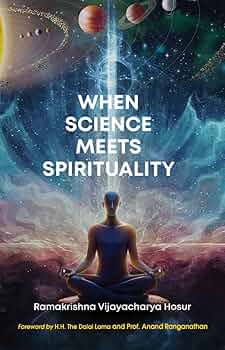
यह एक रोचक तथ्य है कि समय के प्रश्न पर धर्म और विज्ञान एक-दूसरे के विरोधी नहीं दिखते, बल्कि कई बिंदुओं पर एक-दूसरे के निकट आते हैं। धर्म यह संकेत देता है कि समय वैसा नहीं है जैसा हमें दिखाई देता है, और विज्ञान भी यह स्वीकार करता है कि समय हमारी सामान्य समझ से कहीं अधिक जटिल है। दोनों ही इस बात पर सहमत प्रतीत होते हैं कि समय की वास्तविकता गहरी और बहुस्तरीय है।
English:
Interestingly, when it comes to the question of time, religion and science do not appear to be in opposition. Instead, they converge at several points. Religion suggests that time is not what it appears to be, and science also acknowledges that time is far more complex than our everyday understanding. Both seem to agree that the true nature of time is deep and multi-layered.
🔹 समय यात्रा: कल्पना या संकेत?
(Time Travel: Imagination or Indication?)
Hindi:
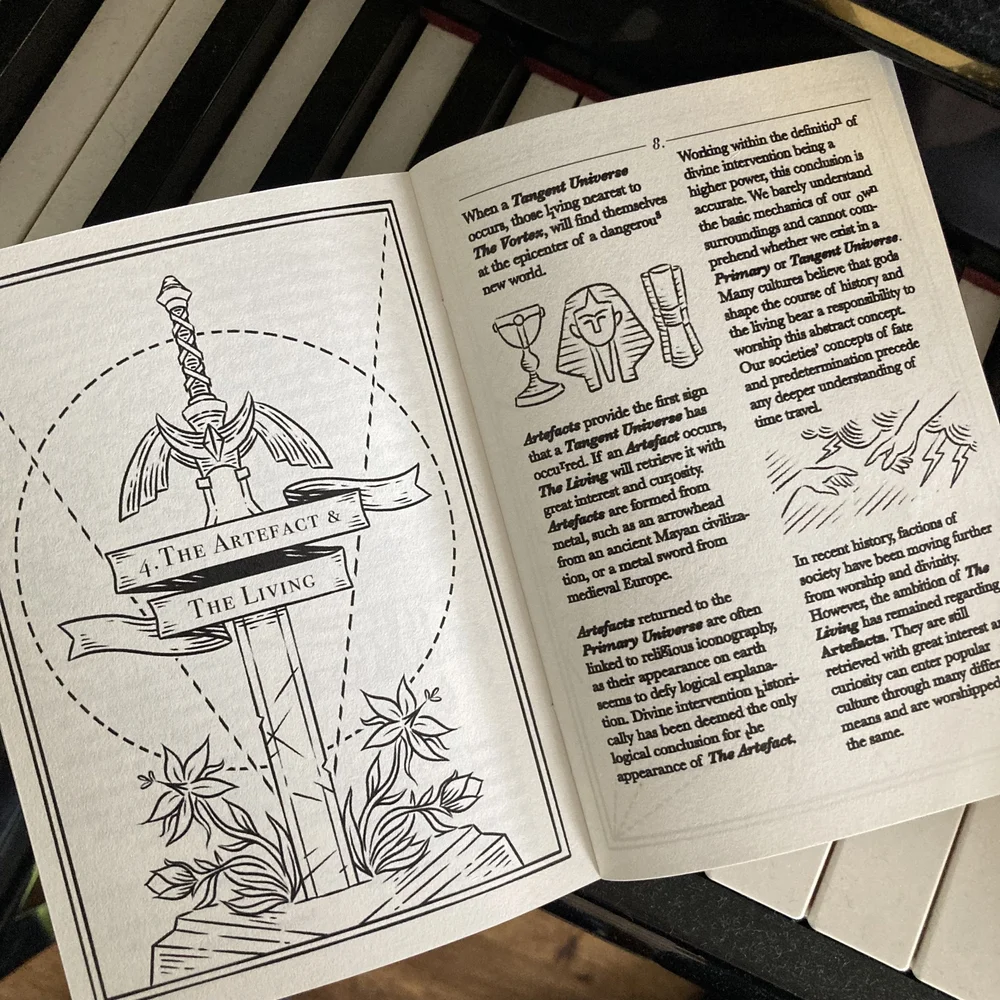
जब प्राचीन ग्रंथ भविष्य-दर्शन की बात करते हैं और विज्ञान समय की सापेक्षता की चर्चा करता है, तो यह प्रश्न उठता है कि क्या समय यात्रा केवल कल्पना है। संभव है कि समय यात्रा का विचार किसी एक युग की उपज न होकर, मानव की सामूहिक जिज्ञासा का परिणाम हो। यह विचार हमें यह सोचने पर मजबूर करता है कि शायद समय यात्रा एक दिन अचानक खोजी नहीं जाएगी, बल्कि धीरे-धीरे समझी जाएगी।
English:
When ancient texts speak of glimpses into the future and science discusses the relativity of time, the question arises whether time travel is merely imagination. It is possible that the idea of time travel is not the creation of a single era, but the result of humanity’s collective curiosity. Perhaps time travel will not be discovered suddenly, but understood gradually.
🔹 निष्कर्ष: समय को समझने की यात्रा
(Conclusion: The Journey to Understand Time)
Hindi:
इस दृष्टिकोण से देखा जाए, तो समय यात्रा न तो केवल धर्म की कल्पना है और न ही केवल विज्ञान की प्रयोगशाला की अवधारणा। यह समय को समझने की मानव यात्रा का एक चरण हो सकती है। जब हम यह स्वीकार कर लेते हैं कि समय हमारी सीमित समझ से कहीं अधिक व्यापक है, तब समय यात्रा का विचार असंभव नहीं, बल्कि अधूरा समझा हुआ प्रतीत होता है।
English:
From this perspective, time travel is neither just a religious imagination nor merely a laboratory concept of science. It may represent a stage in humanity’s journey to understand time itself. Once we accept that time is far more expansive than our limited understanding, the idea of time travel no longer appears impossible—only not yet fully understood.